


Top-notch Sexologist in Patna Bihar for PFD Treatment Dr Sunil Dubey
- Dr. Sunil Dubey
- Dec 3, 2025
- 8 min read

Do you experience pelvic pain, pain after ejaculation, lower abdominal pain, or pain after intercourse that interferes with your sexual life? Probably, this is a symptom of pelvic floor dysfunction? While some people may not be aware of this sexual problem in men, both married and unmarried men can suffer from this pelvic floor disorder.
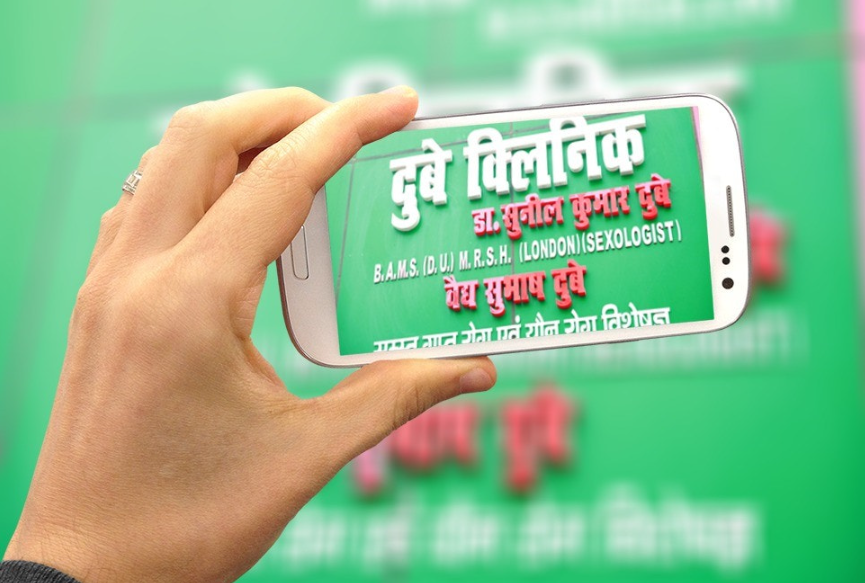
Dr. Sunil Dubey, a world-famous Ayurvedacharya, specializes in treating all types of sexual disorders, whether in individuals or couples. He is a licensed Ayurvedic doctor with expertise in sexology, human sexuality disorders, sexual behavior, gender identity, and reproductive health. He has been a highly qualified, experienced, and top-notch sexologist in Patna, Bihar, for over three and a half decades. He practices at Dubey Clinic, a reputed Ayurvedic sexology clinic in India. Located in Langar Toli, Chauraha, Patna-04, it has been providing excellent service in India for over 60 years. People from various cities of India contact this clinic for on-call and in-person to address all their sexual issues.
This senior sexologist doctor is also a reputed researcher in the Ayurvedic sexology medicine profession, having conducted research on various sexual disorders in men and women. Regarding pelvic floor dysfunction, he says that pelvic disorder is a broad term used to describe any medical condition that affects the pelvic region—the lower abdomen between the hips. Both men and women can experience pelvic disorders, but their types differ slightly. The pelvis contains important organs such as the reproductive organs, urinary organs, parts of the digestive system, and pelvic floor muscles, ligaments, and nerves. So, pelvic disorders can involve any of these systems.

What is a pelvic disorder?
Pelvic disorders generally refer to pain, swelling, weakness, and organ dysfunction in the pelvic area. It is not a single disease, but rather a broad range of conditions.
Common Pelvic Disorders in Men:
Prostatitis: Inflammation of the prostate; this can cause pelvic pain, urinary problems, and painful ejaculation.
Pelvic floor dysfunction: Tight, weak, or uncoordinated pelvic floor muscles can cause pelvic pain, urinary urgency, pain after ejaculation, and groin or perineal discomfort.
Epididymitis: Inflammation of the epididymis, causing testicular/pelvic pain.
Inguinal hernia: Part of the intestine protrudes into the groin.
Chronic pelvic pain syndrome (CPPS): Long-term pelvic or perineal pain without any obvious infection; common in men.
Common Pelvic Disorders in Women:
Pelvic inflammatory disease (PID): Infection of the reproductive organs.
Pelvic organ prolapses: Weak pelvic floor muscles allow the bladder/uterus/rectum to drop down.
Endometriosis: Tissue similar to the lining of the uterus grows outside the uterus.
Ovarian cysts or fibroids.
Pelvic floor dysfunction: Pain, urinary or bowel problems.
Common Symptoms of Pelvic Disorders:
Dr. Dubey says that the symptoms of pelvic disorders vary between men and women, but may include:
Pelvic or lower abdominal pain
Pain in the groin, perineum, or lower back
Painful urination
Frequent urination
Pain during or after sexual intercourse
Painful ejaculation (in men)
Swelling or heaviness in the pelvis
Pelvic muscle dysfunction
Causes of Pelvic Disorders:
Pelvic disorders can be caused by the following reasons, such as-
Infection
Muscle strain or weakness
Inflammation
Nerve pressure
Hormonal changes
Injury or wound
Stress and anxiety (often affecting the pelvic floor muscles)

How Pelvic Floor Disorder affect Sexual Health:
Our Ayurvedacharya Dr. Sunil Dubey, who is also the best Ayurvedic sexologist in Bihar, India, says that primarily, a pelvic floor disorder can be easily seen in a man with nocturnal emission. Certain pelvic disorders, especially prostatitis, pelvic floor dysfunction, and chronic pelvic pain syndrome, can cause painful ejaculation, discomfort during nocturnal emission, increased sensitivity, and pelvic tightness after ejaculation. If a man with nocturnal emission is also experiencing pain, burning, and lower abdominal pain or discomfort, it could be a problem with the pelvic floor area.
Well, besides nocturnal emission, pelvic floor dysfunction can cause a number of sexual problems in both men and women because the pelvic floor muscles play a vital role in arousal, erection, lubrication, orgasm, and ejaculation. When these muscles are too tight, too weak, or not properly coordinated, sexual function can be affected. Due to these health problems, many people struggle in their married or personal lives. Now, let's know about all the sexual problems that are caused by pelvic floor dysfunction.
Sexual problems in men due to pelvic floor dysfunction:
Erectile dysfunction (ED): Tight or weak pelvic floor muscles can reduce blood flow to the penile area and make it difficult for men to maintain an erection.
Premature ejaculation (PE): Overly tight pelvic floor muscles can lead to rapid ejaculation and a feeling of "coming of edge" too early.
Delayed ejaculation (DE): If the muscles fail to relax in time, ejaculation can be prolonged, difficult, or even absent.
Painful ejaculation (PEJ): Strained pelvic muscles or inflammation of the prostate can cause intense or painful ejaculation and subsequent pelvic or perineal pain.
Lower libido (indirect): Chronic pelvic pain and stress can decrease sexual interest and sexual confidence.
Post-ejaculatory pain: Pain in the pelvis, testicles, or perineum after ejaculation is common in chronic pelvic pain syndrome (CPPS) and a hypertonic (tight) pelvic floor.
Sexual problems in women due to pelvic floor dysfunction:
Painful intercourse (dyspareunia): Tight pelvic muscles can make penetration painful or impossible.
Vaginal dryness (indirect): Muscle tension increases stress and reduces natural lubrication.
Difficulty achieving orgasm: Because pelvic floor muscle contractions weaken orgasm, and poor coordination can make orgasm weak or difficult.
Decreased sexual arousal: Pain or pelvic heaviness can reduce desire.
Post-sexual pain: Pelvic/abdominal pain after intercourse due to muscle spasms.
Symptoms of a Pelvic Floor Problem:
If sexual problems are accompanied by:
Pelvic tightness
Lower abdominal or back pain
Perineal pain (the area between the genitals and anus)
Pain when sitting
Intense urge to urinate or passing small amounts of urine
Constipation or straining
Pain after ejaculation or orgasm
This often indicates a pelvic floor disorder, not a problem with the sexual organs.
Why do pelvic floor problems affect sexual function?
Dr. Sunil Dubey explains that the pelvic area is one of the most important organs for sexual activity, contributing to arousal, erections, lubrication, ejaculation, and more. Pelvic floor disorder affects sexual functions because these muscles control blood flow, arousal, erection stability, ejaculation control, and orgasmic contractions. When they are too tight, they can constrict nerves and blood vessels, causing pain and sexual dysfunction. A weak pelvic floor does not properly support sexual function.
The good news for people is that this condition is treatable. Generally, pelvic floor-related sexual problems can be treated with:
Pelvic floor physiotherapy
Relaxation/breathing techniques
Posture correction
Stress reduction
Gentle stretching
Sometimes this alone can resolve sexual symptoms.
How does Ayurveda help in dealing with pelvic floor disorders?
As we all know, Ayurveda is a traditional system of Indian medicine that focuses on cause-based treatment. It understands the connection between mind and body and provides the soul with all the essential nutrients for well-being. Ayurveda can help manage pelvic floor disorders by correcting underlying imbalances (vata, pitta, and kapha), reducing muscle tension or weakness, calming the nervous system, and supporting reproductive and urinary health.
Now, let's understand a safe, effective, educational overview of how Ayurveda treats pelvic floor dysfunction (PFD) in a person.
Ayurvedic understanding of Pelvic Floor Disorders
Ayurveda generally associates pelvic floor problems with:
Vata imbalance (most common): As we know, Vata controls the nerves, muscles, pelvic organs, and bowel movements. When Vata is aggravated, it can cause pelvic tightness or cramps, pain in the pelvis/perineum, constipation, burning sensations, ejaculatory or orgasmic problems, and pelvic tension due to anxiety
Pitta imbalance: It is associated with inflammation (prostatitis, inflammation), burning sensation in the pelvic area, and heat, redness, burning sensation during urination.
Kapha imbalance: This is associated with pelvic heaviness, weak muscles, poor circulation, and sexual lethargy.
Ayurvedic treatment focuses on balancing these doshas in body, especially Vata.
Ayurvedic Lifestyle for Pelvic Floor Health:
Warm oil self-massage (Abhyanga): Using warm sesame or coconut oil, gently massage the lower abdomen, hips, waist, and thighs to relax tight pelvic muscles and soothe nerves.
Taking a warm bath: Softens muscles and reduces spasms.
Early, regular sleep: Improves nervous system regulation, which affects pelvic tension.
Reduce prolonged sitting: Sitting for long periods of time irritates pelvic nerves.
Avoid constipation: Constipation further strains the pelvic floor; Ayurveda emphasizes regular relaxation.
Ayurvedic Diet:
Best foods for pelvic relaxation: Warm, soft foods (khichdi, porridge, soup), ghee (lubricates and calms vata), overnight soaked almonds, tea with fennel, coriander, and cumin seeds, bananas, sweet fruits, mung beans, rice, and wheat, etc.
Avoid: Spicy, sour, or excessively salty foods, coffee and excessive tea, alcohol, dry, difficult-to-digest foods, and cold or raw foods at night.
The main goal of a balanced Ayurvedic diet is to help balance vata, reduce heat, and improve digestion.
Ayurvedic Herbs (Informative):
As we should know that herbs that relax pelvic floor muscles and calm nerves.
Ashwagandha (calms, strengthens muscles)
Brahmi (reduces anxiety)
Jatamansi (deeply relaxing)
Yashtimadhu (reduces heat and irritation)
Shankhpushpi (calms the nervous system)
Herbs that support the reproductive and urinary systems
Gokshura
Punarnava
Shatavari
Safed Musli
Note: Always use it on the advice of an Ayurvedic sexologist doctor.
Ayurvedic Therapies:
Abhyanga (warm oil massage): Deeply relaxes pelvic and back muscles, reducing spasms.
Basti (medicated enema): Considered the best therapy for vata disorders, often used for symptoms such as chronic pelvic pain, pelvic floor tightness, and prostatitis.
Shirodhara: Calms the nervous system, reducing pelvic tension caused by stress.
Nasya: Herbal nasal therapy to regulate nerve pathways.
Yoga & Pranayama (Safe Movements for Pelvic Floor):
Yoga postures: These are good for relaxing a tight pelvic floor.
Child's Pose (Bal asana)
Happy Baby Pose (Ananda Bal asana)
Butterfly Pose (Baddhakonasana)
Cat-Cow (Marjariasana)
Supine Twist
For a weak pelvic floor:
Bridge Pose (Setu Bandhasana – a milder version)
Mountain Pose (Tad asana)
Pranayama: These help calm Vata and relax the pelvic muscles.
Nadi Shodhana (alternate nostril breathing)
Chandra Bhedan (left nostril breathing)
Sheetali (cooling breath)
Avoid strenuous pranayama like Kapalbhati if you have pelvic pain or stiffness.
Mind–Body Connection:
Ayurveda thoroughly recognizes the role of emotions in pelvic disorders:
Stress causes pelvic tightening
Anxiety causes the increased Vata
Fear causes pelvic guarding
Ayurvedic methods help to manage this mind-body connection such as:
Meditation
Chanting mantras
Grounding techniques
These help calm the pelvic nervous system.
Conclusion:
In simple words, from the above information, we can say that Ayurveda helps in pelvic floor disorders by:
Calming Vata (nerves and muscles)
Reducing pelvic heat (pitta)
Improving muscle nutrition (kapha/shukra)
Reducing stress
Improving digestion and bowel movements
Relaxing tight muscles
Strengthening weak muscles
It is holistic, encompassing diet, lifestyle, herbs, therapies, and mind-body practices.
If you want a personalized Ayurvedic-method treatment plan (cause-based and medically proven), simply contact Dubey Clinic.
You experience symptoms of pelvic floor dysfunctions.
Do you have pain, stiffness, weakness, burning, or heaviness?
Any urinary or sexual symptoms
You are getting old
Dr. Sunil Dubey and the experts at Dubey Clinic work hard to provide a safe, effective, and medically proven holistic approach to treating any type of sexual problem. This Ayurvedic clinic has been serving sexual health patients across India for a long time. Local and outside people contact Dubey Clinic to get consultation with Dr. Sunil Dubey. He provides his comprehensive sexual therapy to both married and unmarried people.
!!!For More Info, Contact Us Helpline No!!!
Dr. Sunil Dubey (Dubey Clinic)
B.A.M.S (Ranchi), M.R.S.H (London), PhD in Ayurveda (USA)
A Certified Ayurvedic Sexology Clinic in Patna, Bihar India
!!!Helpline No: +91 98350-92586!!!
Venue: Dubey Market, Langar Toli, Chauraha, Patna-04
Clinic Timings: 08:00 AM to 08:00 PM (Every day)
LinkedIn: https://linkedin.com/in/drsunildubey
More info: https://shorturl.at/sRC6a


Comments